
The choice between rigid boxes and folding cartons affects far more than appearance. Structure influences protection, packing labor, storage space, freight volume, finishing options and the way a customer opens the product. This guide compares both formats from a B2B buyer’s perspective so packaging teams can define the right structure before requesting samples and quotations.
What Is a Folding Carton?
A folding carton is made from paperboard that is printed, cut, creased and usually glued before being supplied flat or partially assembled. The converter creates a dieline that defines panels, flaps, folds and glue areas. At the packing location, the carton is erected, filled and closed. This construction makes folding cartons practical for many retail products, including skincare, fragrance, candles, personal care items and lightweight apparel.
The phrase folding carton covers many structures rather than one standard box. Straight-tuck and reverse-tuck cartons use top and bottom flaps, while other formats may use reinforced or locking bottoms, sleeves, windows or internal paperboard features. Buyers comparing folding carton structures should focus on how the carton is filled, where the product weight sits and whether closure security, shelf display or packing speed is the main priority.
Typical paperboard construction
A printed perfume folding carton illustrates how a compact paperboard structure can combine brand artwork and metallic detail while remaining a foldable retail format. It is an example of a construction approach, not a universal specification for every fragrance bottle.
Flat shipping and assembly
Flat supply does not automatically mean the lowest total cost. Packing labor, gluing or locking steps, rejects caused by incorrect assembly and the need for product inserts all belong in the comparison. A plain structural sample and a short packing trial help reveal issues that are easy to miss on a dieline.
What Is a Rigid Box?
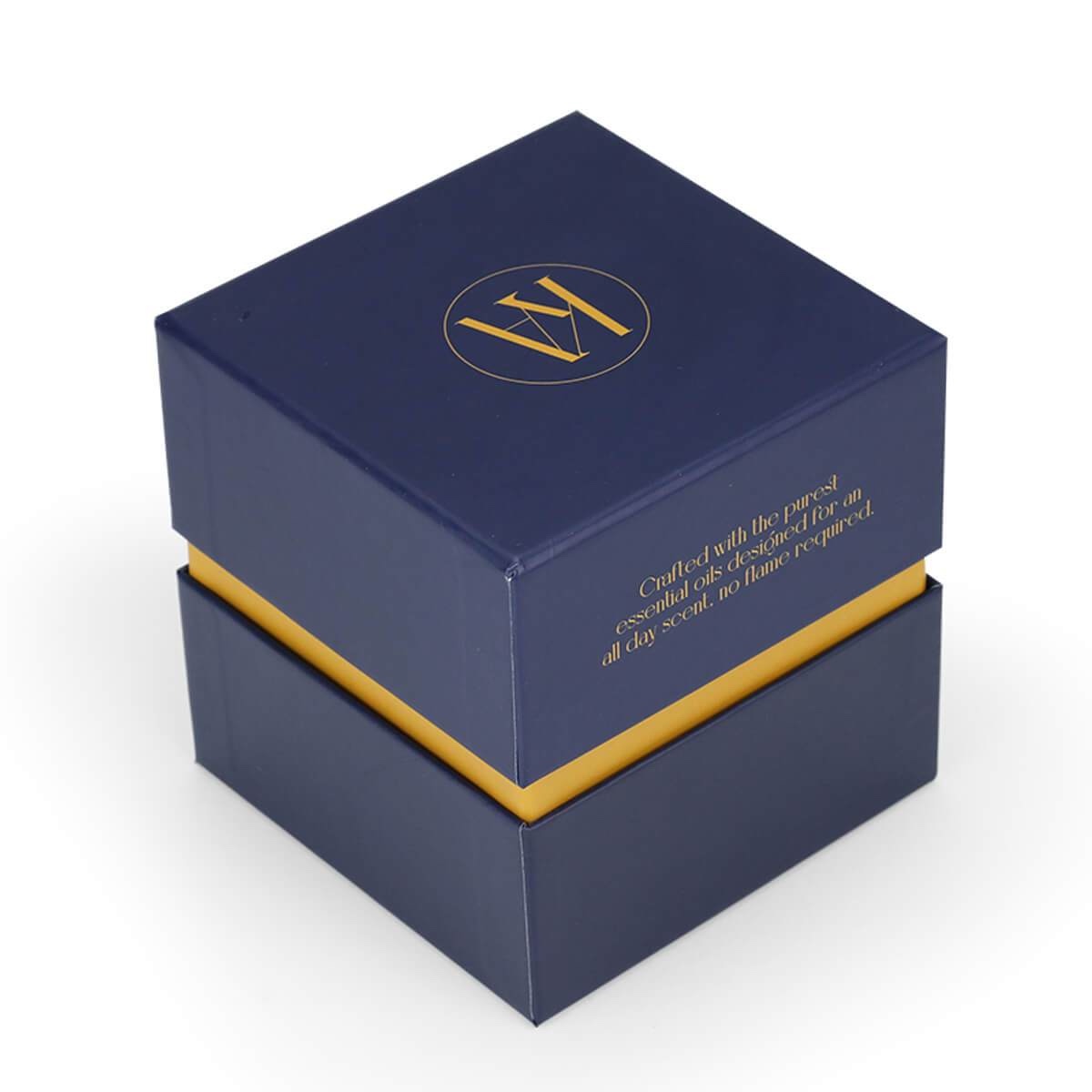
A rigid box, sometimes called a setup box, uses thick board components that are cut and wrapped with paper or another suitable covering material. Unlike a conventional folding carton, the main body normally keeps its three-dimensional shape. Common structures include separate lid-and-base boxes, hinged magnetic boxes, drawer boxes and book-style presentation boxes.
Rigid packaging is often selected when the box is expected to contribute strongly to presentation and the opening sequence. The construction can create substantial edges, controlled lid movement and space for a fitted insert. Buyers should still begin with function: the packed product, distribution channel and required user experience should justify the added components and shipping volume. The rigid box range shows several structure families that can be evaluated against those requirements.
Wrapped board construction
A wrapped rigid box combines structural board with a visible covering layer. The covering paper carries printed graphics, specialty color or texture, while the underlying board creates the form. Corners, wrapped edges, hinge areas and alignment between components require careful review because they affect both appearance and function.
Materials should be described clearly in a quotation. Ask suppliers to identify the proposed board, wrap, print process, finish, insert and packing method, then confirm the approved combination through samples.
Lid-and-base, drawer and magnetic formats
A lid-and-base box separates into two pieces and can provide a direct presentation when the lid is lifted. Drawer boxes use an outer sleeve and inner tray, creating a staged reveal but adding components and assembly. Magnetic formats use a hinged panel and closure components to create a book-style opening. Each format changes material use, packing, storage and the way inserts are fitted.
Foldable rigid formats are a separate consideration. A collapsible magnetic rigid box is designed to reduce storage volume before assembly, but its panels, adhesive areas and setup sequence still need review. It should not be assumed to perform identically to a conventional pre-assembled rigid box.
Rigid Boxes vs Folding Cartons: Key Differences
The most useful comparison is not which format is better in general, but which format fits the product and operating model. A folding carton can offer an efficient printed retail surface and compact storage. A rigid box can offer a more substantial presentation and support complex opening formats. Neither description alone proves that the package will protect a specific product or suit a particular fulfillment process.
Buyers should compare complete specifications, not category labels. Dimensions, board, structure, insert, printing, finishing, assembly, individual protection and export packing can change the result inside either category.
Structure and durability
Rigid boxes retain their formed shape and usually resist casual panel flexing better than lightweight cartons of similar size. Folding cartons depend more directly on paperboard selection, panel geometry and correctly closed flaps. However, durability must be considered within the whole distribution system. A rigid presentation box is not automatically a courier shipping carton, and a retail folding carton may still perform well when protected by an appropriate outer case.
Identify the real risks—compression, abrasion, movement or fragile components—then select a structure and secondary packaging system around them. Avoid unsupported load-bearing numbers copied from another product.
Presentation and opening experience
Rigid boxes can create a slower, staged opening through a lift-off lid, drawer or magnetic flap. Folding cartons usually provide a lighter, faster retail opening, although sleeves, windows and internal print can add visual interest. The appropriate experience depends on price positioning, sales channel and how long the customer is expected to keep the package.
Review opening and product removal with the real contents. Tight lids, deep cavities, missing finger clearance or complex flaps can interfere with access and packing.
Storage, packing and freight volume
Folding cartons supplied flat generally require less pre-fill storage than assembled rigid boxes. More flat units can often be organized in a given space, and export cartons may use volume more efficiently. Rigid boxes occupy their finished dimensions unless a foldable construction is selected, so export-carton dimensions and units per carton become important inputs for freight planning.
Flat cartons need erection at the packing line, while assembled rigid boxes may require protection against rubbing and corner damage. Ask how the boxes will arrive and how export packing is configured.
Assembly requirements
Document every operation required before the finished pack is ready: erecting the box, locking or gluing the base, folding an insert, placing tissue, loading products, removing adhesive liners, closing magnets or lids and applying labels. Small steps become significant when repeated across a commercial order.
Use approved samples and actual products to review assembly in the intended packing environment. State whether boxes must arrive flat, assembled or partially assembled.
Printing and finishing considerations
Folding cartons commonly provide a direct printable paperboard surface suited to broad artwork coverage, product information and retail graphics. Rigid boxes often use a separately printed or colored wrap, which introduces wrapped edges, joints and alignment around corners. Both formats may use processes such as foil, embossing, debossing, spot effects or lamination when appropriate to the material and design.
Review artwork on the correct dieline, including folds, glue areas, wrap edges and registration. Prioritize finishes that support brand hierarchy rather than applying every available process.
How Product Weight and Fragility Affect the Choice
Start with the actual item: finished dimensions, weight, center of gravity, surface sensitivity, closure, protruding parts and breakable components. A light tube has different needs from a glass bottle, candle vessel or multi-item set. The outer box structure, insert and shipping case work together; changing one element can change the requirements of the others.
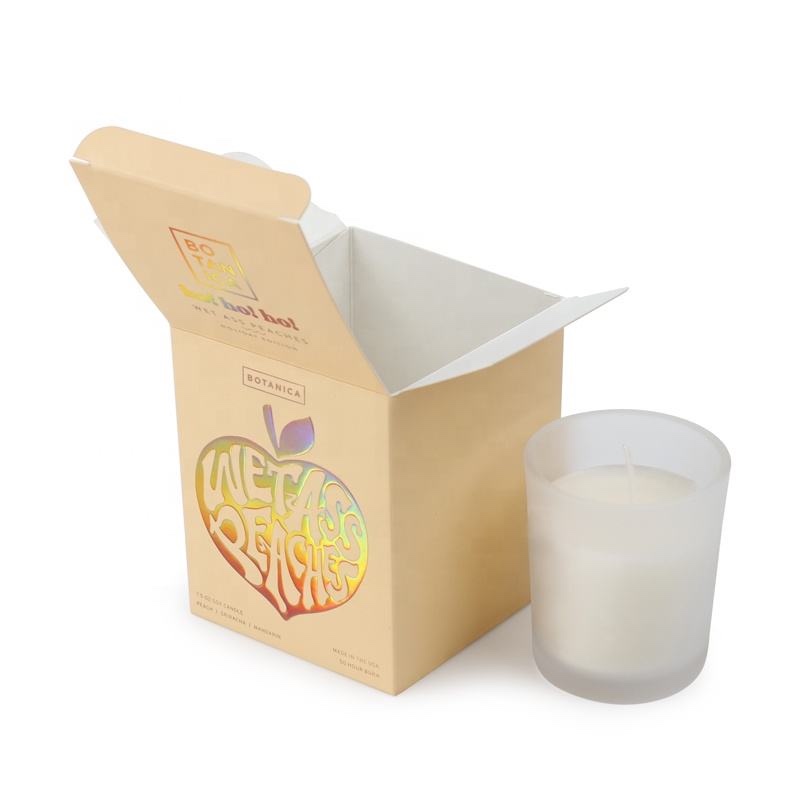
Folding cartons can be suitable for many bottles and jars when the paperboard, bottom structure and internal support are developed around the product. A white paperboard tuck-end candle carton demonstrates a compact retail structure whose final specification must still reflect the candle vessel and packing method. Rigid boxes may be appropriate where more dimensional stability or presentation space is required, but product movement still needs to be controlled.
Do not decide from product category alone. Two fragrance bottles may differ in glass thickness, cap design and weight distribution. Request samples made to the intended dimensions, pack the real product and review how it behaves during handling. Any formal transport or performance testing should be defined for the actual pack and distribution route rather than inferred from appearance.
How Inserts Change Protection and Presentation
An insert locates the product, manages clearance and controls the sequence in which components are seen and removed. It can be used in both rigid boxes and folding cartons. Paperboard platforms and folded inserts may support a paper-led construction, while other insert materials may be considered when the product shape, surface or fragility calls for different cushioning. Availability and suitability must be confirmed for the project.
Insert design begins with accurate product dimensions, including caps, pumps, protective bags and accessories. Cavity depth, finger notches, edge clearance and removal direction should be checked with physical products. A package can look organized while still allowing a bottle to rotate, a label to rub or a small component to fall beneath the platform.
A lid-and-base rigid box with a fitted insert illustrates how a presentation structure and product support can be planned together. The example should guide questions about fit and layout, not be treated as a standard insert specification for unrelated products. For a material-by-material selection framework, use the packaging box inserts guide when preparing the fit brief and sample review.
Cost Factors Without Relying on Unit Price Alone
A meaningful comparison separates material, conversion, printing, finishing, inserts, assembly, individual protection, export packing and freight volume. Rigid boxes typically involve more components and formed assembly, while folding cartons may concentrate cost in paperboard, printing, cutting, gluing and packing-line work. The actual balance changes with dimensions, artwork, quantity and specification.
Lower factory unit cost does not necessarily produce lower landed or operating cost. A carton that requires slow manual assembly may add packing labor. A rigid box that arrives assembled may occupy more warehouse and freight space. Excessively large packaging can increase inserts, outer cartons and void fill in either format. Compare the complete program rather than selecting from one price line.
Ask for quotations based on the same dimensions, product, insert requirement, print coverage, finish and delivery assumptions. The custom packaging cost guide explains how tooling, samples, accessories, packing and logistics can change the comparison. No general article can replace a quotation based on an approved specification.
Applications for Folding Cartons
Folding cartons are commonly considered for products that need a printable retail surface, product information and efficient flat storage. Examples include skincare bottles, fragrance cartons, candles, personal-care products, small accessories and lightweight apparel. Windows, sleeves and internal paperboard features can be evaluated when they serve a clear display or protection purpose.
The structure must still match the product. Tall cartons may require attention to stability and closure; heavier items may require a stronger base or internal support; delicate finishes need appropriate export packing. Buyers choosing cartons for beauty products can also review the cosmetic packaging box selection guide for product-fit and insert considerations.
Applications for Rigid Boxes
Rigid boxes are commonly evaluated for premium gift sets, fragrance presentation, jewelry, watches, candles, cosmetics, wine and corporate gifting. They can provide room for multi-item layouts and a controlled opening sequence. Lid-and-base, drawer and magnetic structures each create a different interaction and should be chosen around the product rather than trend alone.
For international programs, confirm whether boxes ship assembled or foldable, how inserts and accessories are packed, and what protection is used between finished surfaces. A strong presentation at the point of sale depends on arriving without crushed corners, abrasion or shifted components.
Questions to Include in a Packaging RFQ
A useful RFQ gives suppliers enough information to recommend and price comparable structures. Begin with the product name, dimensions, weight and photographs. State whether the box is retail packaging, a gift presentation pack, an ecommerce inner pack or part of a larger shipping system. Include the destination and explain where filling and final assembly will occur.
Request clarification of sample type, tooling, individual protection, units per export carton, carton dimensions and whether boxes arrive flat or assembled. State which requirements are fixed and where value-engineering alternatives are welcome. Do not assume two quotations use equivalent board, wrapping paper, insert or packing simply because both say custom box.
- Actual product dimensions, weight and fragile components
- Packaging purpose and sales channel
- Preferred structure and acceptable alternatives
- Material proposal and insert requirement
- Artwork, print coverage and finishing priorities
- Required arrival condition: flat, assembled or partially assembled
- Individual protection and export-carton information
- Destination and target project schedule
Rigid or Folding: A Practical Decision Checklist
Choose a folding carton when flat storage, a broad printable retail surface and efficient carton conversion align with the product and packing operation. Choose a rigid box when formed structure, presentation depth or a particular lid, drawer or magnetic opening is important enough to justify additional components and volume. These are starting points, not absolute rules.
Before committing, compare both formats using the same product and commercial assumptions. Review protection, opening, assembly, storage, export packing and freight information. Test the insert and product removal. Confirm artwork on the correct dieline. Record the final structure, materials, finish and packing method in one approved specification.
The wider custom packaging box family provides examples across folding, rigid and mailer structures. Use those examples to define questions for your project, then request recommendations based on the real product rather than selecting a box only from photographs.
Related MCH resources
Frequently Asked Questions
Are rigid boxes always stronger than folding cartons?
Rigid boxes retain a formed shape and often feel more substantial, but protection depends on the complete specification, insert, outer packing and distribution conditions. Neither category name proves performance for a specific product.
Do folding cartons always ship flat?
Many folding cartons are supplied flat or pre-glued and collapsed, but the delivery condition depends on the structure and packing agreement. Confirm how cartons arrive and what assembly is required.
Can both rigid boxes and folding cartons use inserts?
Yes. Insert construction should be developed around product dimensions, weight, fragility, removal and presentation requirements, then confirmed through samples.
What information is needed to compare rigid and folding box quotations?
Provide the same product dimensions, box size, structure, material direction, insert, artwork, finishes, quantity, packing, destination and assembly assumptions to each supplier.