
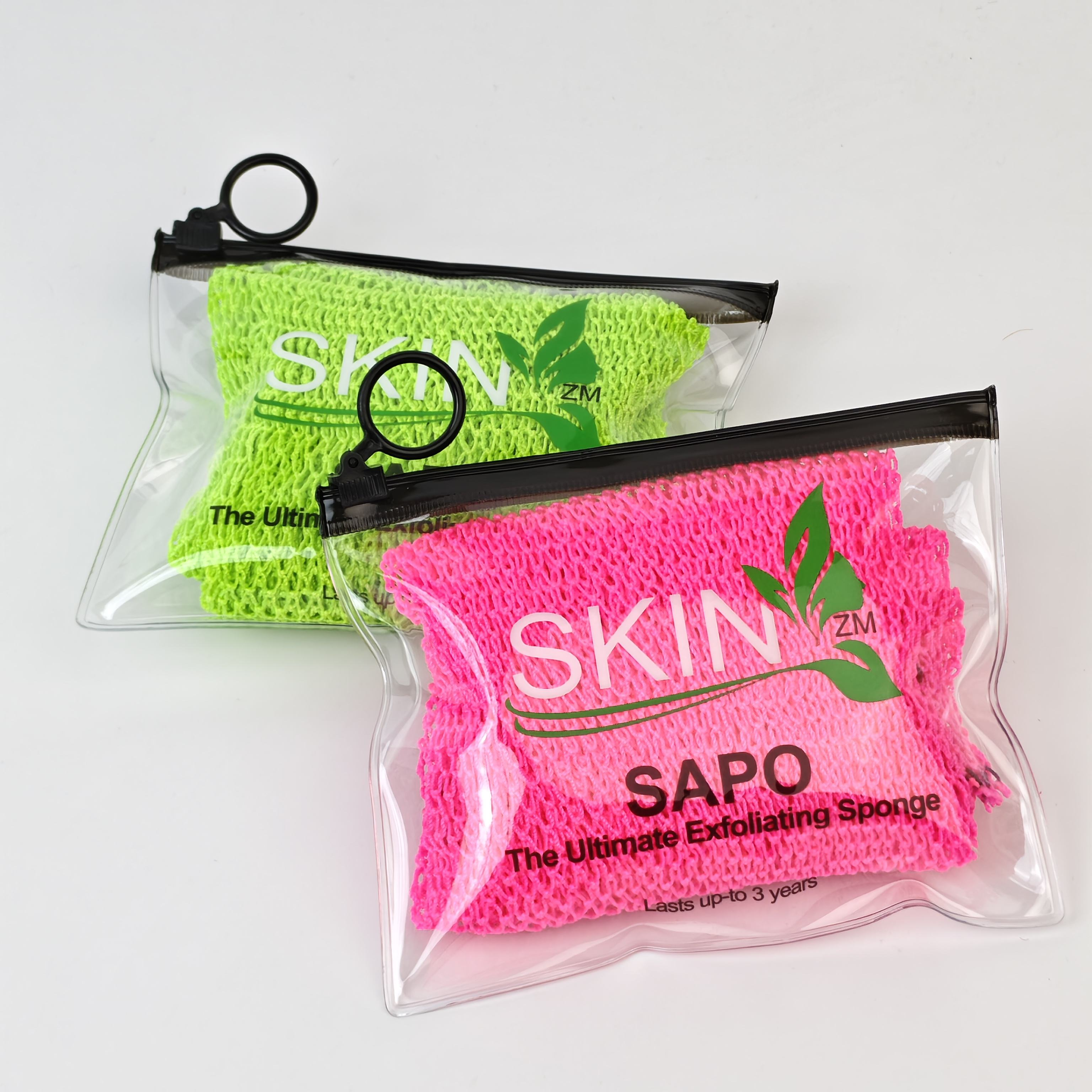
PVC zipper bag material, thickness and construction determine how a pouch looks, flexes and performs in repeated use. Clear and frosted surfaces, gussets, zipper profiles, edge sealing and printing each affect the finished result. This guide helps buyers compare those choices and prepare a practical specification for cosmetic, travel, promotional and retail packaging.
Define what the zipper bag must do
Begin with the packed product and sales channel. A clear pouch for a cosmetic gift set must display bottles cleanly and resist surface scratching. An apparel packaging bag may need a wider opening and repeated zipper use. A travel organizer may require handles, internal pockets or a gusset. Promotional packaging may prioritize logo visibility and a controlled price. Define whether the bag is disposable presentation packaging or a product intended for long-term reuse.
Record the contents, product dimensions, total weight and any sharp corners. Explain whether liquids, oils or scented products may contact the bag. Clarify the operating temperature and destination requirements. The supplier should not assume that every transparent material is suitable for every application. Product safety, chemical compatibility and local regulations remain the buyer's responsibility, so specialized uses should be reviewed with appropriate technical and compliance advisers.
Compare PVC, EVA and alternative transparent materials
PVC is widely used because it can provide clarity, flexibility, color options and a familiar retail appearance. It is available in different thicknesses and surface finishes. Frosted EVA creates a softer translucent look and may be selected for certain packaging applications. TPU and other materials may be considered for specific requirements, but availability, welding behavior, price and order quantity differ. The material name alone is not a complete specification.
Ask the manufacturer to state material type, thickness, color, transparency and any required compliance documentation. A thin sheet can reduce cost but may wrinkle or lack structure. A thicker sheet feels substantial but increases cost, shipping weight and welding requirements. Request physical samples because photographs do not reliably show haze, softness, odor or hand feel. If environmental positioning is important, avoid unsupported claims and evaluate the complete material and reuse strategy.
Specify thickness, shape and construction
Bag thickness should reflect size, product weight and desired appearance. Large pouches made from very thin material may collapse, while small cosmetic pouches may not require heavy sheet. Compare a frosted bottom-gusset PVC zipper bag with clear flat formats to see how finish and structure change presentation. Define finished width, height and gusset dimensions, and confirm whether measurements are internal or external.
Construction details include welded seams, stitched binding, reinforced corners, handle attachment and edge treatment. Welded PVC bags depend on controlled temperature, pressure and seam width. Stitched structures can combine transparent panels with fabric binding and zippers. Ask how the chosen structure is made and where natural tolerances occur. A sample should be filled with the real product to confirm capacity and appearance rather than evaluated empty.
Choose a zipper that matches repeated use
Zipper quality strongly affects the user's impression. Nylon coil zippers are common and available in many colors. Plastic zippers can suit selected waterproof-looking or modern designs, while metal components add weight and a different visual character. Confirm zipper tape color, teeth or coil color, slider, puller and opening direction. A custom pull can reinforce branding but generally increases tooling, quantity or lead time.
Test the zipper across the full opening with the bag filled. It should move smoothly without catching transparent material or binding. Corners and zipper ends require careful construction because stress concentrates in these areas. For repeated-use products, ask for practical opening tests and review the strength of puller attachment. Decorative hardware should not scratch the clear surface when bags are stacked during shipping.
Plan logo printing and graphic presentation
Screen printing is commonly used for simple logos and solid colors. UV printing or transfer methods may support more detailed designs on suitable materials. A full-color printed clear PVC zipper bag and a black frosted pouch with gold print illustrate two distinct artwork and surface approaches. Select a method after considering artwork detail, durability and bag flexibility.
Transparent material changes how graphics are perceived because the contents and background remain visible. White ink may be required beneath colors to maintain opacity. Keep small text away from weld lines, folds and zipper areas. Define print dimensions and position from fixed bag edges. During sampling, view the pouch both empty and filled with the intended product, because the final contents can change contrast and logo visibility.
Understand MOQ and the real cost drivers
The unit price is influenced by material type and thickness, pouch dimensions, gussets, zipper and hardware, welding or sewing complexity, printing colors, custom tooling, packing and quantity. Standard clear material, common zipper colors and simple structures generally support more flexible quantities. Custom-tinted material, branded hardware or complex organizers can require higher minimums because upstream material and component suppliers also impose order requirements.
Request quotations at more than one quantity and ensure each supplier is quoting the same material and construction. A low price may reflect thinner sheet, a simpler zipper, narrower seams or basic packing. Ask whether tooling, printing setup, sample cost and shipping are included. If low MOQ is important, invite the supplier to propose a standard material or existing component that preserves the design intent while reducing setup.
Control clarity, seams and finished appearance
An approved sample should establish material, thickness, color, dimensions, zipper, hardware, print and packing. Inspection should review transparency or frost level, scratches, contamination, bubbles, dents, color variation and odor where relevant. Seam width and strength should be consistent. Zippers should open smoothly, sliders should remain attached, and handles should be secure. Finished dimensions require practical tolerances because flexible materials can move during production.
Clear products reveal dust, fingerprints and packing marks more easily than opaque packaging. Define the cleanliness standard and whether protective film or individual bags are needed. Minor surface impressions may occur when flexible pouches are folded or compressed; decide whether the product must ship flat, filled with tissue or shaped with inserts. Quality expectations must be matched to the packing method and price level.
Plan packing and shipping to avoid deformation
PVC zipper bags may crease, flatten or scratch when compressed. Small flat pouches can often be packed efficiently, but structured organizers or bags with rigid handles need more space. Confirm fold direction, protective film, individual bag, tissue filling, pieces per carton and carton dimensions. Hardware should be positioned so it does not press against adjacent transparent panels. Test the export packing before approving the full shipment.
Shipping method depends on carton volume, order schedule and destination. Express courier works for samples and urgent small orders. Air freight can support a launch deadline but may be expensive for bulky shaped bags. Sea freight is more economical when timelines allow. Confirm shipping terms and destination charges. Keep bags away from excessive heat and pressure during storage, and allow time for inspection before the cargo leaves the manufacturing country.
Send a complete PVC pouch RFQ
A useful RFQ includes contents and use, finished dimensions, gusset, material type and thickness, clear or frosted appearance, color, zipper specification, handles, binding, artwork, print size, quantity, individual packing, destination and delivery date. Provide reference photographs but mark which details are mandatory. If you have an existing sample, sending it can reduce misunderstandings about softness, clarity and construction.
Ask for a written specification with the quotation and identify any assumptions. Review material and zipper samples before commissioning a branded sample. Buyers can compare the PVC packaging family and PVC zipper bag options, then use the custom PVC zipper bags bulk order guide for RFQ preparation, sample approval, production quality control and shipping decisions.
For regulated markets, add a compliance checklist to the RFQ. State whether the pouch contacts the product directly, whether children may use it, and whether restricted-substance documentation is required. Ask for documents tied to the actual material and production batch where appropriate. A generic certificate from an unrelated supplier should not replace due diligence. Importers should confirm labeling, recycling and material rules with qualified local specialists before approving production.
Keep a retained sample from the shipment and record the final material, thickness, zipper code, color, print file and carton packing. Transparent materials and components can change between orders if specifications are vague. Repeat-order control is easier when purchasing references the approved construction rather than a photograph. This documentation also helps the supplier explain any material discontinuation and propose an equivalent option before the next production run.
Related MCH resources
Frequently Asked Questions
What thickness should a PVC zipper bag use?
Thickness depends on bag size, product weight, structure and desired feel. A physical sample is the best way to compare suitable options.
Can PVC zipper bags be frosted or colored?
Yes. Clear, frosted, tinted and selected specialty appearances may be available depending on material, quantity and construction.
Can a manufacturer add a custom zipper pull?
Custom pullers may be possible, but tooling, component MOQ and lead time should be confirmed early.
How should clear pouches be packed?
Packing should control scratching, strong creases and deformation. The correct method may include protective film, individual bags, tissue filling or less carton compression.