
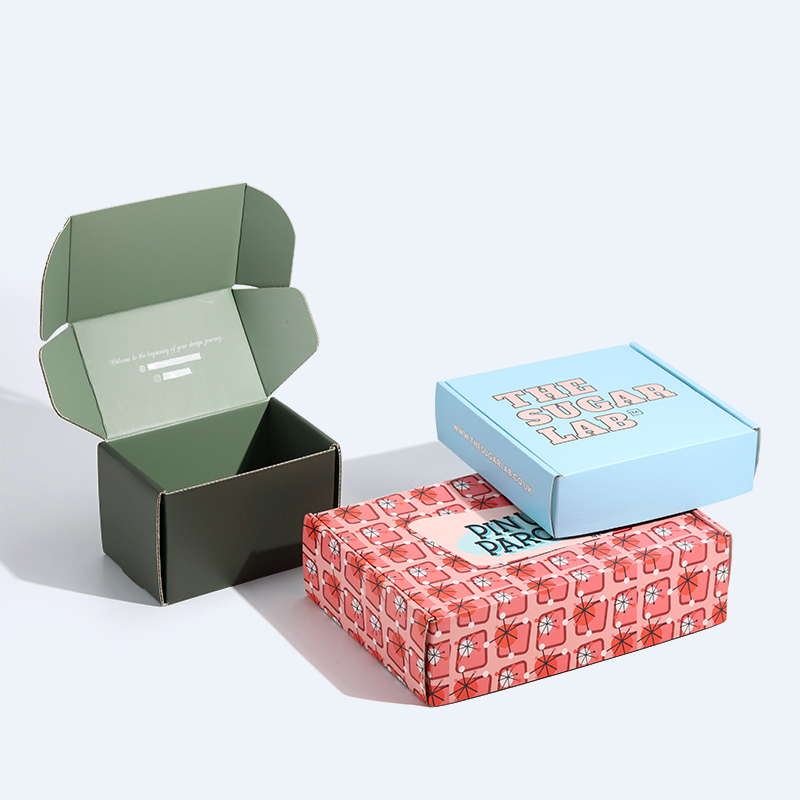
Custom packaging MOQ is shaped by setup, material minimums, tooling, components and manual processes—not by one universal quantity. For a launch or small-batch program, the goal is to find a practical specification that controls inventory without weakening function. This guide explains how buyers can simplify structures, compare quotations, plan samples and manage quality for lower-volume sourcing.
Understand what low MOQ really means
There is no universal number that defines low MOQ. Practical minimums differ across packaging boxes and custom bags because paper mills, printers, hardware suppliers, fabric dyers and component factories each create upstream requirements. A rigid box with standard paper may support a different quantity from one with custom specialty paper and molded accessories.
When asking for low MOQ, explain the expected first order and potential repeat demand. A supplier can then distinguish a genuine launch program from a one-time prototype request. Ask for the lowest practical quantity for the current specification and a second option with simplified materials. Avoid demanding an arbitrary number before understanding the process, because an unrealistic target can lead to unsuitable digital shortcuts, unapproved substitutions or a quotation that changes later.
Why unit prices rise at smaller quantities
Custom production includes fixed work before the first sellable unit exists. Artwork is checked, samples are developed, cutting dies or screens are prepared, machines are set up and materials are ordered. At high quantity, these costs are divided across many units. At low quantity, each package carries a larger share. Manual assembly and quality inspection may also have minimum labor charges.
This does not mean every low-MOQ quote is poor value. The correct comparison includes inventory risk, cash use, warehouse space and the cost of redesigning obsolete packaging. A higher unit price may be sensible for a first launch if it prevents thousands of unused boxes. Calculate the total project investment and realistic sell-through, not only the price per piece. Request quantity breaks to understand where setup costs become less significant.
Use standard materials while keeping custom branding
The most effective low-MOQ strategy is usually to customize visible brand elements while using materials already purchased regularly. Standard board thickness, common art paper, stock canvas, natural jute bag materials, existing zipper colors and normal ribbon widths avoid upstream minimums. Custom color can often be created through printing rather than ordering a fully custom-dyed substrate, although the appearance will differ.
Ask which materials are currently available and request physical swatches. A standard material should still be written into the specification so it remains consistent on repeat orders. If certified or recycled materials are mandatory, confirm the documentation and minimum quantity early. Do not accept an unknown substitute simply because it is in stock. Low MOQ should reduce unnecessary customization, not remove transparency about what is being produced.
Simplify structure before reducing quality
A complex structure adds components, tooling, alignment and assembly. Start by identifying the package's essential functions: protection, presentation, opening experience and shipping efficiency. A well-designed folding carton may replace an overbuilt rigid box. A simple canvas tote bag can gain value from proportion, fabric and one clear logo rather than pockets and custom hardware.
Simplification should remove operations that customers do not value, not make the packaging fail. Maintain adequate board strength, secure handles, functional zippers and product protection. Ask the supplier for a value-engineered option and require an explanation of each change. Compare samples with real products inside. A cheaper insert that allows a glass bottle to move is not a saving if it creates damage and customer complaints.
Choose printing processes suitable for short runs
Digital printing can be practical for selected paper packages at lower quantities because it reduces traditional plate setup. However, color, substrate range, finish and unit economics differ from offset production. Screen printing on bags has setup for each color, so simple artwork is more economical. Heat transfer may support detailed graphics at modest quantity but creates a different surface and durability profile.
Discuss the purpose of the artwork instead of insisting on a process name. Provide vector files, Pantone references and an approved visual. Limit print colors where that supports the design. Use a printed label, sleeve or card to carry frequently changing regulatory or campaign information, while keeping the main packaging reusable across variants. This modular approach can reduce obsolete inventory and make repeat orders easier.
Separate development samples from commercial quantity
A prototype, sales sample and bulk order are different requirements. If only a few packages are needed for photography or investor presentation, request handmade samples rather than asking a factory to treat them as a miniature mass-production order. Sample pricing is higher because it includes individual setup and labor. The result may differ slightly from bulk production, so the supplier should explain the sampling method.
Use samples to confirm structure, fit, material and artwork before placing the commercial order. Approve changes in writing and keep one reference sample. If several rounds are expected, budget for them. Rushing into bulk production to avoid sample fees can create a much larger loss. Low MOQ reduces inventory exposure, but it does not eliminate the need for disciplined development and approval.
Evaluate whether a supplier is genuinely suitable
A capable low-MOQ supplier should ask questions about dimensions, products, materials, quantity, budget and schedule. They should identify which requirements create minimums and offer practical alternatives. Be cautious when every request receives an immediate yes without specification review. Confirm experience with the relevant product type and ask which production steps are internal or coordinated through partners.
Review communication speed, clarity and documentation during sampling. A small order still needs an approved specification, invoice, production schedule and packing instructions. Ask how quality is checked and how discrepancies are handled. Low MOQ projects may not receive the same automated efficiency as high-volume work, making communication and manual process control even more important. Select a supplier based on suitability and transparency, not only a low headline minimum.
Compare quotations without losing the specification
Send every supplier the same RFQ: dimensions, structure, material, artwork, finishes, insert, quantity, packing, destination and required date. Ask them to state assumptions and recommend one alternative for lower MOQ. Record sample, tooling and shipping separately. A quote for a digitally printed thin carton is not directly comparable with offset printing on heavier board, even when both descriptions say custom box.
Check payment terms, quotation validity and repeat-order conditions. Ask whether cutting dies or screens are stored and whether future orders use the same unit price. Confirm how material variation is managed when stock changes. The custom packaging cost guide provides a detailed cost checklist. Keep a version-controlled specification so commercial pressure does not gradually remove important quality requirements.
Plan quality control for smaller orders
Small quantity does not mean quality can be undefined. Approve dimensions, material, colors, printing, finish, construction and packing. Identify critical defects that make the package unusable, major defects that reduce presentation, and minor variations that may be acceptable. Natural fabrics and handmade rigid boxes have normal tolerances, but these should be discussed rather than discovered after delivery.
Ask for in-process photographs or inspection according to project risk, but do not rely only on selected images. Review a reasonable sample of the finished quantity for function, appearance and count. Check export cartons and labels. For bags, test handles, stitching and zippers; for boxes, check closure, gluing, insert fit and surface finish. A clear standard protects both buyer and supplier when quantities are too small to absorb many replacements.
Build a repeat-order path from the first purchase
Treat the first low-MOQ run as the beginning of a packaging system. Record the final dieline, artwork version, material, color reference, accessories, packing and approved sample. After the product launches, collect feedback on damage, packing time, customer response and storage. Use this evidence to improve the second order instead of redesigning for personal preference.
If demand grows, ask how higher quantity changes printing method, material procurement and price. A small digitally printed run may need adjustment for offset production at scale. Real examples such as a white cardboard candle carton, an eco-friendly cotton tote and a small printed jute bag can frame different construction questions without implying a fixed MOQ.
Related MCH resources
Frequently Asked Questions
What quantity is considered low MOQ for custom packaging?
It depends on product type, material and process. A practical minimum may range widely, so buyers should request the lowest quantity for a defined specification.
How can a brand reduce MOQ without using a stock box?
Use standard materials and components, simplify structure, limit special finishes and customize through printing, sleeves, labels or inserts.
Is digital printing always best for low quantities?
Digital printing can reduce setup for selected paper products, but color, materials, finishes and unit economics must still be evaluated.
Should a low-MOQ order still have a sample?
Yes. Sampling confirms structure, fit, material and artwork and reduces the risk of losing the full commercial order.