
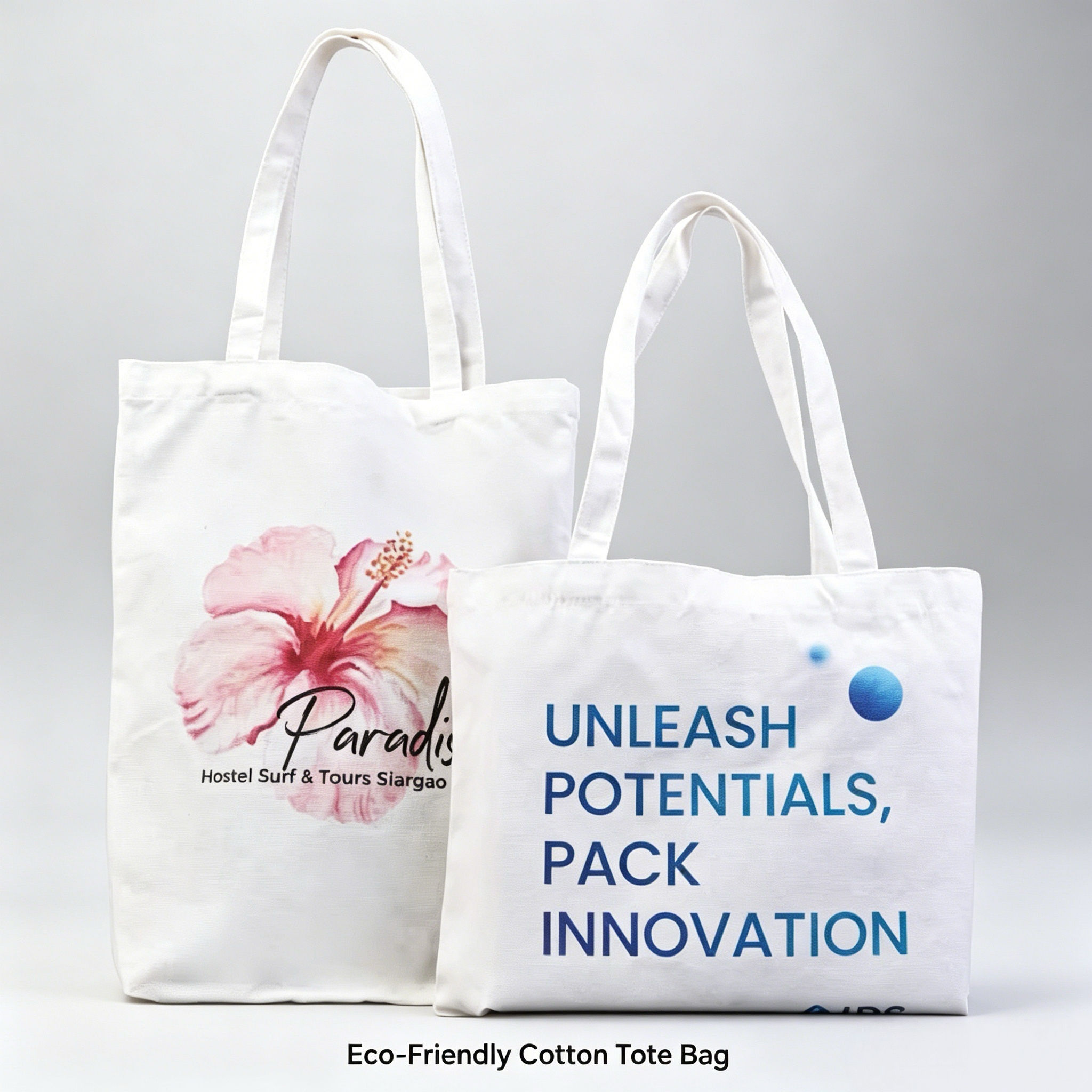
Custom canvas bags can extend a corporate event beyond the venue, but only when the bag is useful, well made and aligned with the campaign. This complete buyer's guide explains fabric weight, construction, printing, sizing, MOQ, quality checks and delivery planning for conferences, product launches, employee programs and branded gifts.
Define the event objective and user
Start by deciding what the canvas bag must accomplish. A conference tote may carry a laptop, notebook, bottle and printed materials for a full day. A product-launch bag might function mainly as premium gift packaging. Employee welcome kits often require internal organization, while a mass promotional giveaway must balance utility with a controlled unit cost. The intended load and frequency of reuse should drive the specification.
Define who receives the bag, where it is distributed and what goes inside. Record the largest item dimensions and approximate total weight. Consider whether guests will carry the bag on public transport, pack it in luggage or reuse it for shopping. These details influence overall size, handle drop, gusset depth, closure and fabric weight. Without this information, suppliers may quote visually similar bags that perform very differently.
Choose canvas fabric and weight
Canvas is available in different weights, weaves and fiber compositions. Lighter cotton fabrics create a flexible tote suited to brochures and lightweight gifts, while medium-weight canvas provides more structure for reusable event bags. The canvas tote bag range and an eco-friendly cotton canvas tote example help buyers compare practical constructions. Heavy canvas adds structure but also increases sewing and shipping weight.
Natural cotton has a warm off-white tone and visible fiber character. Bleached white provides a cleaner printing base, while dyed fabric supports brand colors. Recycled cotton and RPET-blended options may be available, but sustainability claims should be supported by the material documentation relevant to the order. Ask whether the quoted color is a stock fabric or a custom dye, because custom dyeing normally requires a higher quantity and longer lead time.
Select the most useful tote construction
A flat tote is simple and efficient for documents or thin items. A bottom gusset adds capacity, while side and bottom gussets create a more box-like bag for product kits. For a textured alternative, compare jute bag structures, including a natural jute tote bag and a jute tote with a canvas print panel. The jute bag selection guide explains how gussets, handles, lamination and mixed-material panels change the buying decision. Every feature should solve a real event use case.
Handle design deserves special attention. Short handles work for hand carry, and longer handles allow shoulder use. Confirm the handle drop, width, material and attachment method. Heavy contents may require wider cotton webbing, reinforced stitching or cross stitching. If recipients will wear coats, test the shoulder drop with actual clothing. For a lighter hands-free event format, compare the decisions in the polyester drawstring backpack selection guide. Small ergonomic details often determine whether a bag is reused or left behind.
Match the logo method to artwork and quantity
Screen printing is widely used for solid-color logos and offers good durability on suitable canvas. Each color usually requires separate setup, so a simple one- or two-color design can be economical. Heat transfer can reproduce detailed or multi-color artwork but creates a different surface feel. Digital printing may suit certain fabrics and graphics, while embroidery provides texture and perceived value for smaller logos. Woven labels and patches are additional brand options.
Provide vector artwork and define the desired print size and position. Avoid placing important graphics too close to seams or folds. On natural canvas, fabric color influences the printed result; white underbase printing may be required for bright colors. Ask for a strike-off or printed sample when brand color is important. Also confirm whether the bag will be folded across the logo during packing, because long-term pressure can affect some decoration methods.
Plan bag size around contents and event logistics
Do not choose dimensions from a generic product listing. Arrange all intended contents on a table and measure the required internal space. Add reasonable clearance without making the bag unnecessarily large. Oversized totes consume fabric, increase shipping volume and may feel inconvenient after the event. For boxed gifts, include the box depth when calculating the gusset. For laptops or bottles, account for weight and reinforcement.
Create a packing test with a plain sample. Load the real items, close the bag if it has a zipper or snap, and carry it for several minutes. Confirm that handles remain comfortable and contents do not distort the base. If staff will pack thousands of event kits, check how quickly the bag opens and whether pockets or closures slow the packing line. Efficient kitting can be as important as the unit bag price.
Understand MOQ, cost and lead time
Canvas bag pricing is influenced by fabric type and weight, bag dimensions, gussets, lining, pockets, closures, handle construction, decoration, quantity and packing. A low price comparison is meaningful only when these variables match. Request an itemized specification with the quotation. Ask for quantity breaks so the event team can compare the cost of ordering a small contingency against the risk of running short.
MOQ depends on whether the project uses stock fabric, custom-dyed material and special accessories. A simple bag made from standard canvas with screen printing usually supports a more flexible starting quantity than a fully lined bag with custom hardware. Build the timeline backward from the event date, allowing for specification approval, sample production, revision, bulk sewing, inspection, shipping and customs clearance. Avoid planning production to finish immediately before the event.
Set practical quality standards
Quality approval begins with the sample. Confirm finished dimensions, fabric, color, handle length, seam construction, decoration size and position, closure function and packing. Natural fabrics may show small variations, so decide what is acceptable before production. For load-bearing event bags, communicate the intended contents and consider a practical carrying test. A bag can look correct while still failing under repeated weight.
During inspection, review stitching continuity, loose threads, skipped stitches, seam alignment, handle security, stains, fabric defects and print quality. Measure a sample across the production lot rather than only one bag. Check barcode labels, hangtags, individual packing and carton marks if required. When exact brand presentation matters, provide an approved color standard and tolerance rather than relying on photographs sent through messaging apps.
Optimize packing and international delivery
Canvas bags are often folded to reduce freight volume. Confirm the fold pattern, individual bag requirement and pieces per export carton. A highly compressed carton may reduce space but create strong creases or distort structured bags. If the project includes gift items, decide whether the manufacturer ships empty bags or completes kitting. Kitting can simplify local operations but changes inspection, carton planning and customs documentation.
Choose shipping based on deadline, volume and budget. Express courier can support urgent samples or small quantities. Air freight is faster for commercial orders but may be expensive for bulky cartons. Sea freight usually offers better economics for planned events with sufficient lead time. Confirm shipping terms, destination charges and responsibility for customs clearance. The lowest factory price does not guarantee the lowest delivered event cost.
Build a clear corporate bag RFQ
Send suppliers the event date, destination, quantity, bag dimensions, fabric preference and weight, color, gusset, handles, pockets, closure, artwork, decoration method and packing requirement. Include photographs for visual direction, but specify which features must be copied and which are optional. If the bag carries a prepared kit, provide item dimensions and total weight. Ask suppliers to state assumptions and alternatives clearly.
Before approving production, keep one signed specification and approved sample. Confirm the production completion date separately from the delivery date. Review the wider custom bags family when canvas, jute and drawstring constructions are still being compared for corporate gifting or event programs.
Finally, assign one person to control artwork and specification changes. Event projects often involve marketing, procurement, agencies and local organizers, and conflicting feedback can create expensive revisions. Record who approves color, copy, dimensions and delivery. Confirm whether the supplier may use production photographs publicly, especially when a launch is confidential. A short post-event review should document remaining stock, recipient feedback and improvements for the next campaign.
Related MCH resources
Frequently Asked Questions
What canvas weight is best for a corporate event tote?
The correct weight depends on contents and positioning. Lightweight fabric suits brochures and simple giveaways; medium or heavy canvas is better for repeated use and heavier gift kits.
Which printing method is best for a logo?
Screen printing is common for solid-color logos. Heat transfer or digital methods can support detailed graphics, while embroidery works well for selected premium applications.
How many extra bags should an event order?
The contingency depends on registration uncertainty, replacements and post-event use. Many buyers compare a small overage against the cost and difficulty of a last-minute repeat order.
Can canvas bags include individual names?
Personalization may be possible through selected printing or labeling methods, but it affects data management, production workflow, cost and lead time.